
A Valued Perspective on the Midway Project
As I examine the proposed Midway Rising project—from its environmental and infrastructure challenges to its potential entertainment benefits, housing needs and implications for people experiencing homelessness—I believe we must listen carefully to those asking informed questions about the site’s future.
One voice I have followed is Scott Chipman, whose clear, logical comments deserve consideration. A 55-year resident of Pacific Beach, Chipman is a community activist, parent, former PTA president and planning group member. He is also a co-founder and board member of SavePB and the founder of San Diegans for Responsible Planning.
In his recent opinion column in Times of San Diego, Chipman raises questions about housing demand, affordability, transportation and infrastructure costs. Those questions deserve clear, evidence-based answers. For me, the central issue is whether the proposal offers the best long-term outcome for San Diego.
The following excerpts are from Chipman’s column; ellipses indicate omitted passages:
“San Diego is preparing to make one of the most consequential public-land decisions in its history. The proposed Midway Rising development would commit nearly 50 acres of publicly owned property to a private development arrangement lasting 105 years.
Before making that commitment, city leaders should answer fundamental questions about housing demand, public subsidies, infrastructure, and whether this project represents the best long-term use of irreplaceable public land.
… California has experienced population declines in recent years, while San Diego’s population growth has been modest. Meanwhile, thousands of apartments have recently been constructed throughout the region, with additional developments underway.
… Second, what does “affordable housing” actually mean, and who pays for it?
Midway Rising promises approximately 2,000 affordable housing units. But affordability is not free. Construction, financing, maintenance and operating costs must be paid by someone.
Project financing documents contemplate substantial public subsidies, including federal tax credits and other financing mechanisms.
Who ultimately bears these costs? Federal taxpayers? State taxpayers? San Diego residents? What happens if anticipated subsidies become unavailable?
More importantly, what income levels qualify for these apartments, and how long will affordability restrictions remain enforceable?
The public deserves a transparent accounting of the actual cost per affordable unit, the sources of subsidies, and the financial obligations that may ultimately fall upon taxpayers.
Third, how will an already congested transportation network accommodate thousands of additional residents and a major entertainment arena?
The Midway District has limited major access routes, including Sports Arena Boulevard, Midway Drive, Rosecrans Street and West Point Loma Boulevard. Connections to Interstates 5 and 8 already experience substantial congestion.
Adding thousands of residents, their vehicles, delivery traffic and arena visitors raises serious questions about circulation and emergency access.
… Where is the comprehensive, independently verified transportation plan demonstrating that these impacts can be adequately addressed?
Fourth, who pays for the necessary infrastructure?
Project proponents describe hundreds of millions of dollars in infrastructure improvements. But headline figures can obscure important distinctions between improvements serving the development itself and improvements benefiting the surrounding community.
How much funding is actually committed to off-site roads, intersections, utilities, drainage, and emergency access?
If tax-increment financing or other public financing mechanisms are contemplated, what future tax revenues might be committed to supporting this development?
Those revenues could otherwise support essential municipal services and infrastructure throughout San Diego.
The public needs to understand the full financial arrangement before surrendering control of this property for more than a century.
… San Diego should not confuse development activity with genuine public benefit.
Private developers understandably seek profitable projects. City government, however, has a different responsibility: protecting the long-term interests of its citizens.
Before committing this extraordinary public asset for 105 years, city leaders should demonstrate why another massive housing development serves San Diego.”
My concerns extend to conditions below ground. The city’s March 2025 environmental review notice identifies the project site as being on a state-compiled list of hazardous waste sites. That designation does not, by itself, establish the extent of contamination or the risk to future residents. It does underscore the need for a clear public explanation of site testing, any required cleanup and long-term safeguards.
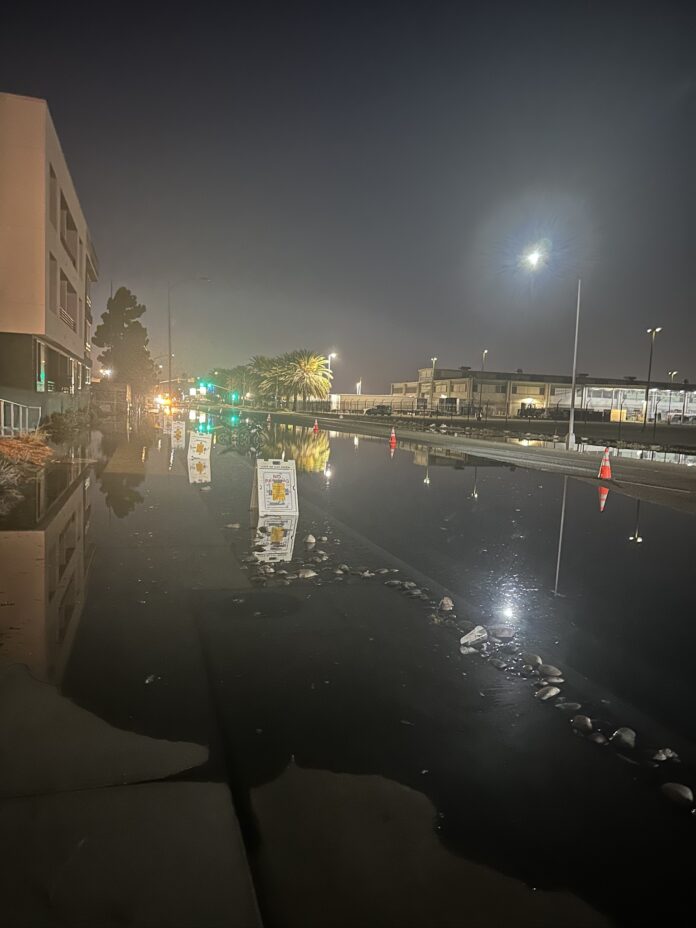
City leaders should also explain how the project’s design addresses groundwater, drainage and potential sea-level rise over its lifetime. What data supports the proposed protections, how will their effectiveness be monitored, and who will pay if conditions change?
The city has described planned infrastructure improvements and affordable housing commitments. The public deserves to understand not only those promised benefits, but also the funding arrangements, enforceable safeguards and any financial or health-related risks that could fall on residents.
Rather than speculate about officials’ motives, I ask for transparency and accountability. San Diegans deserve decisions grounded in independent evidence, a full accounting of costs and a commitment to the public interest. Before moving forward, city leaders should show how this project meets that standard.
Category: Community, featured, Government, Lawsuits, Local News